
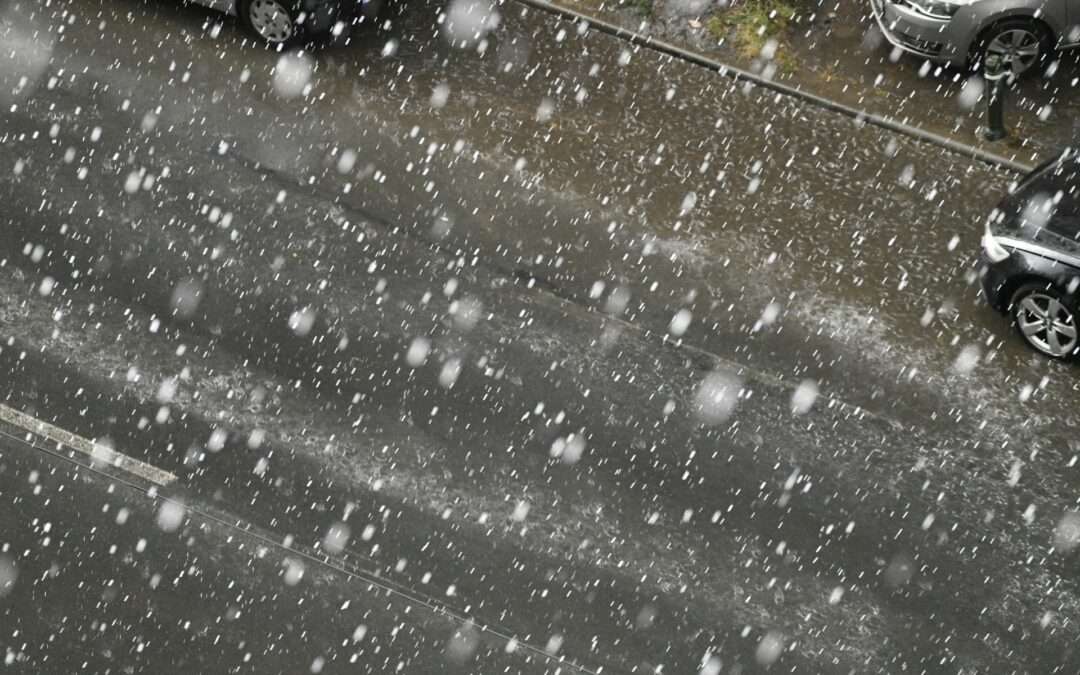
Hailstorms hit Greater Cincinnati more often than most homeowners expect. What makes hail damage particularly tricky is that it is not always obvious from the ground, and the real impact often shows up weeks or even months later in the form of leaks, accelerated shingle wear, and eventually structural damage.
Knowing what hail damage looks like and what to do after a storm can protect your home and your wallet. Here is what Greater Cincinnati homeowners need to know.
Why Hail Is a Bigger Problem Than It Looks
Even small hailstones can cause significant damage to asphalt shingles, especially if you have an older roof. When hail strikes a shingle, it knocks loose the granules that protect the underlying asphalt layer from UV rays and weather. Over time, those exposed areas deteriorate faster, which shortens the life of your roof significantly even if the initial damage does not cause an immediate leak.
Larger hail can crack or puncture shingles outright, compromise flashing seals, and dent gutters and metal components. A roof that looks intact after a storm may actually be months away from developing leaks.
Greater Cincinnati’s weather patterns mean hail is most common in the spring and summer months, which is why getting ahead of any damage early in the season matters. The same storms that bring hail often bring high winds, which can compound the damage further.
Signs of Hail Damage on Your Roof
Before you climb up or call a roofer, start by looking for signs of hail damage in more accessible places. What you find on your gutters, siding, or in yard can tell you a lot about what the storm left behind on your roof. For your safety, we never recommend climbing up onto your roof without prior experience, but instead doing all of your inspections visually from the ground.
Bruised or Dented Shingles
Asphalt shingles that have been struck by hail often show circular impact marks. These look like bruises on the shingle surface and may feel soft or spongy when pressed. Unlike blistering, which comes from manufacturing defects or heat, hail impacts tend to have a random pattern across the roof surface.
Granule Loss
One of the most telling signs of hail damage is an unusual amount of granules collecting in your gutters or at the base of your downspouts. Some granule loss is normal over time, but a significant increase after a storm is a clear sign that your shingles took a hit. Look for bald or shiny spots on the shingle surface where granules have been knocked off.
Damaged Gutters and Downspouts
Check your gutters and metal components for dents, dings, and chips in the paint or protective coating. Hail leaves distinct circular dents on soft metals. If your gutters show signs of hail impact, your roof almost certainly does too.
Cracked or Split Shingles
Larger hailstones can crack or split shingles entirely. This type of damage is more obvious visually and typically causes leaks more quickly than granule loss alone. During your inspection, look for shingles with splits that run through the entire surface rather than just surface-level wear.
What to Do After a Hailstorm
After a significant hailstorm in Greater Cincinnati, here is a simple plan to follow:
- Wait for conditions to be safe. Do not climb up a ladder while conditions are still wet or immediately after a storm. Give it at least a day.
- Do a ground-level inspection. Look at your gutters, downspouts, siding, and any exposed metal for dents or damage. This gives you an early read on severity.
- Check your attic. Look for any light coming through the decking or signs of moisture or staining that would indicate the hail punched through.
- Document what you find. Take photos and note the date of the storm. If you plan to file an insurance claim, this documentation will matter.
- Schedule a professional inspection. Hail damage is notoriously hard to assess without training. A professional roofer can identify damage that is easy to miss.
If you experienced any winter storm issues this past season, hail damage on top of that wear is particularly concerning. You can learn more about how to identify winter storm damage if you are trying to piece together a full picture of your roof’s condition.
Repair or Replace? How Hail Damage Affects the Decision
Whether hail damage calls for repair or a full replacement depends on a few factors: the age of your roof, the size of the hail, the density of the impacts, and whether the damage has affected the structural integrity of the roof.
A newer roof with limited impact spots may only need targeted repairs. An older roof with widespread granule loss and multiple cracked shingles may be approaching the end of its useful life, and a replacement may be the more practical financial choice. Understanding how asphalt shingles hold up in Greater Cincinnati’s climate can help put that decision in context.
For a thorough breakdown of how to think through that choice, the guide on roof repair vs. roof replacement for Greater Cincinnati homeowners walks through the key considerations.
Get a Free Hail Damage Inspection
If you suspect your roof took hail damage, do not wait for a leak to confirm it. Weather Stop Roofing provides free roof inspections in Greater Cincinnati and throughout the surrounding areas. Our team can identify hail damage, give you a clear assessment of the repairs needed, and work with your insurance company if applicable.
Check out our full list of roofing services in Greater Cincinnati or reach out directly to schedule your inspection before storm season gets underway.

Frequently Asked Questions
How large does hail need to be to damage a roof?
Hailstones as small as one inch in diameter can cause granule loss and impact marks on asphalt shingles. Larger hail above 1.5 inches is more likely to crack or split shingles and cause immediate leaks.
How long after a hailstorm can I file an insurance claim?
Most homeowners insurance policies allow you to file a claim for storm damage within one to two years of the event, but you should check your specific policy terms. Documenting damage promptly and having a professional inspection completed strengthens your claim significantly.
Can hail damage be repaired, or does it always mean a full replacement?
It depends on the extent of the damage and the age of the roof. Limited hail damage on a newer roof can often be repaired. Widespread damage on an older roof typically makes replacement the more cost-effective and lasting option.
Does hail damage always cause leaks right away?
Not always. Granule loss from hail damage can lead to premature aging and leaks months or even years after the storm. That is why a prompt inspection matters even when there are no obvious leaks.
Will my insurance cover hail damage?
Most standard homeowners insurance policies cover hail damage as a covered peril. Deductibles and coverage limits vary by policy. A professional inspection report is typically required to support an insurance claim.