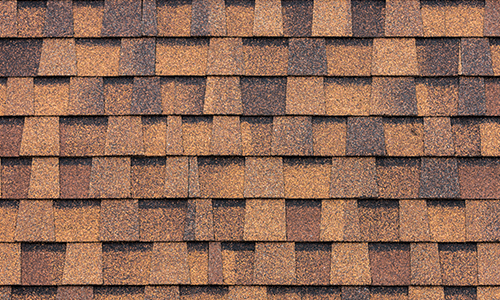
Asphalt shingles are the most common roofing material in Greater Cincinnati, and for good reason. They’re affordable, durable, and designed to handle a wide range of weather conditions. However, winter brings unique challenges that can either prove how well asphalt shingles perform—or expose weaknesses that lead to damage.
Understanding how asphalt shingles react to cold weather can help you protect your roof, prevent leaks, and know when it’s time to call a professional. Here’s what homeowners should know.
How Asphalt Shingles Are Made for Cold Weather
Modern asphalt shingles are engineered to withstand seasonal temperature changes, including cold winters like those in Greater Cincinnati.
Shingle Composition
Asphalt shingles are made from three main components:
- A fiberglass mat that provides strength and flexibility
- An asphalt coating that creates waterproofing
- Mineral granules that protect against UV rays and physical wear
This layered design allows shingles to remain flexible in moderate cold temperatures while maintaining durability.
Cold-Weather Flexibility
Quality asphalt shingles are manufactured to remain flexible in winter conditions commonly seen in Greater Cincinnati. While extreme cold can reduce flexibility, most modern shingles perform well in typical Midwest winter temperatures when properly installed.
Self-Sealing Strips
Most asphalt shingles include self-sealing adhesive strips that bond shingles together once exposed to sunlight and warmth. These seals help prevent wind uplift and water intrusion. While sealing slows in winter, shingles installed before cold weather generally maintain their bond through the season.
Overall, properly installed modern asphalt shingles are rated to handle Greater Cincinnati winters, especially when paired with correct underlayment and ventilation.
Why Cold Weather Can Challenge Asphalt Shingles
Even though asphalt shingles are designed for winter performance, cold weather still introduces risks—especially on older or poorly maintained roofs.
Brittle Shingles in Extreme Cold
When temperatures drop below freezing, shingles become less flexible. This increases the risk of cracking if shingles are impacted by debris or walked on during winter repairs. Even a small crack can allow moisture to penetrate the roof system.
Granule Loss
Freeze–thaw cycles are common in Greater Cincinnati. As snow melts and refreezes, the repeated expansion and contraction can loosen granules from shingles.
Granule loss reduces UV protection and accelerates shingle aging, shortening the roof’s lifespan.
Curling or Buckling
Uneven attic temperatures often cause roofing issues in winter. Heat escaping through poorly insulated attic spaces warms parts of the roof unevenly, leading to curling or buckling shingles. Older roofs and those with inadequate ventilation are especially vulnerable.
Ice Dams
Ice dams form when heat melts snow on the roof, which refreezes near the eaves. Water becomes trapped behind the ice and can back up underneath shingles, causing leaks.
Ice dams are closely tied to insulation and ventilation performance, not just shingle quality.
Why Asphalt Shingles Can Perform Well in Cold Climates
Despite these challenges, asphalt shingles remain one of the best roofing options for Greater Cincinnati homes when installed and maintained properly.
Durable Against Snow Load
Properly installed asphalt shingles can handle the typical snow and ice loads seen in the region. Layered installation methods and correct nailing patterns provide strong resistance against winter stress.
Resistant to Freeze–Thaw Cycles
Modern shingles from reputable manufacturers are designed to endure repeated freeze–thaw cycles. Higher-quality shingles perform significantly better than cheaper alternatives, maintaining granule adhesion and flexibility longer.
Easy to Repair
One advantage of asphalt shingles is repairability. If winter damage is localized, individual shingles or small sections can often be repaired or replaced without replacing the entire roof. Prompt repairs during or after winter can prevent larger spring issues.
Signs Asphalt Shingles Are Struggling in Cold Weather
Homeowners should watch for early warning signs that winter is taking a toll on their roof:
- Cracks or splits in shingles
- Excessive granules collecting in gutters or near downspouts
- Curling edges or lifted corners
- Leaks around valleys, chimneys, vents, or flashing
- Evidence of ice dam damage along roof edges
If you notice any of these signs, it’s best to schedule a professional inspection.
Tips to Protect Asphalt Shingles This Winter
Taking proactive steps can significantly reduce winter-related roof damage.
- Improve attic insulation and ventilation to maintain even roof temperatures
- Keep gutters and downspouts clear to prevent ice dams
- Safely remove heavy snow using a roof rake from the ground
- Inspect your roof from the ground, or have a professional closely inspect, before and after major winter storms
- Schedule a professional inspection if shingles show visible wear
Preventive care now can save thousands in spring repair or replacement costs.
When to Call a Professional Roofer
You should contact a roofing professional if:
- Shingles are cracked, curled, or missing
- Ice dams or leaks occur repeatedly
- Your roof is older or nearing the end of its expected lifespan
- You want a preventive winter inspection before spring rain arrives
At Weather Stop Roofing, we help Greater Cincinnati homeowners assess winter roof performance, make necessary repairs, and plan ahead with honest recommendations.
Protect Your Roof Through the Cold Season
Asphalt shingles can perform very well in Greater Cincinnati’s cold climate—but only when installed correctly and supported by proper ventilation and insulation. Winter often reveals hidden weaknesses that are easier and more affordable to fix early.
If you’re concerned about how your roof is handling cold weather, contact Weather Stop Roofing today to schedule a professional inspection and keep your home protected all winter long.
Why Asphalt Shingles Perform Better (and Worse) in Cold Climates Like Greater Cincinnati
Check out our Reviews on Google!