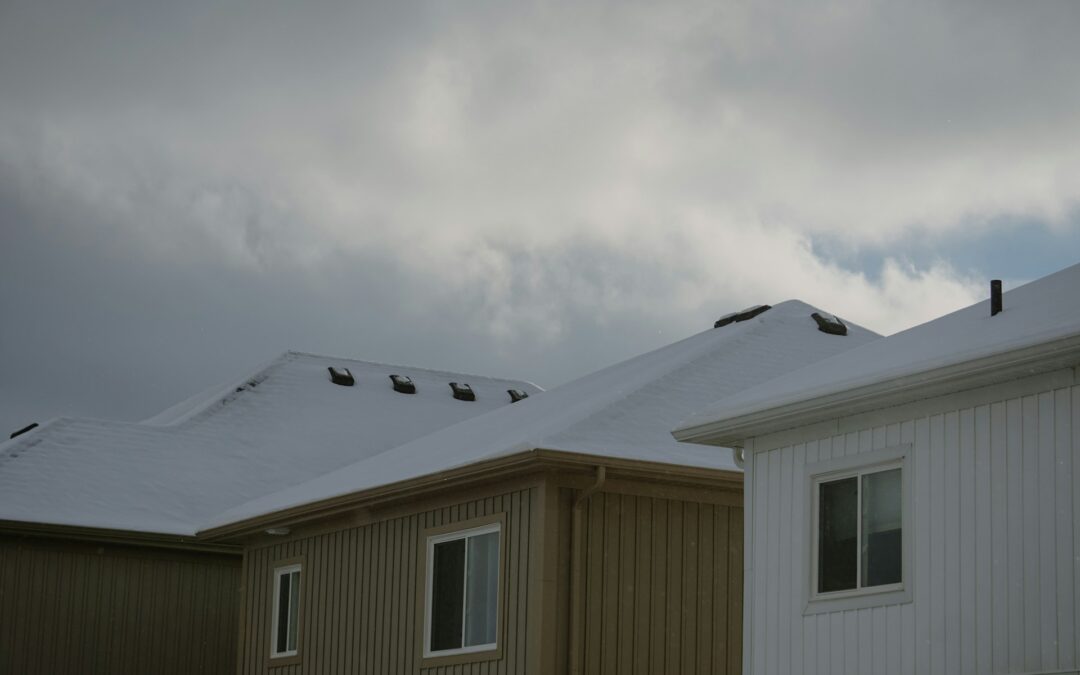
A roof leak is stressful under any circumstance, but when it happens during a snowstorm in Greater Cincinnati, the situation becomes far more urgent. Snow and ice create dangerous conditions on and around your home, and attempting quick fixes without proper precautions can make the problem worse—or put you at risk.
If your roof begins leaking during winter weather, it’s important to stay calm, stay safe, and take the right steps to minimize damage until a qualified roofing professional can address the issue. Here is a clear, practical guide on what to do if your roof starts to leak during a snowstorm.
Stay Safe First
Before anything else, protect yourself and your family. Snow and ice create slippery surfaces, hidden hazards, and electrical risks.
-
Avoid going on the roof during snow or ice conditions. A wet or frozen roof is extremely dangerous and should only be accessed by professionals with proper equipment.
-
Turn off electricity in areas where water is pooling or dripping. Water and electricity are a dangerous combination.
-
Keep children and pets away from leak areas. Water intrusion often spreads, and ceilings may weaken under pressure.
Your safety is the top priority. Always treat a winter roof leak as a situation requiring caution.
Identify the Leak Source (From Inside Only)
Even though you shouldn’t climb onto the roof, you can still identify useful information from inside the home.
-
Look for water stains, bubbling paint, or active dripping on ceilings and walls. While the site of the leak inside is not always directly beneath the damaged area of your roof, it still provides a useful clue.
-
Check the attic (if safe to enter) for wet insulation, dark stains on wood, or even icicles forming inside attic vents, which indicate poor ventilation and ice dam problems.
-
Make note of the location but do not attempt to climb onto the exterior roof to investigate further.
This information helps your roofer diagnose the issue more quickly once they arrive.
Contain the Water
Your next priority is preventing the leak from causing unnecessary interior damage.
-
Place buckets, pans, or waterproof bins under any drips.
-
Use towels, plastic sheeting, or garbage bags to protect floors, furniture, and electronics.
-
Move valuables away from the leak area to prevent further damage.
If water is pooling behind a ceiling, a roofer may later recommend controlled draining, but do not attempt to puncture sagging ceilings yourself.
Temporary Emergency Measures
If the leak source is accessible from the inside and safe to reach, a few short-term steps can help reduce damage until the storm passes.
-
Place a tarp or heavy plastic sheeting over vulnerable attic areas if you can do so safely without stepping onto wet insulation or unstable surfaces.
-
Apply temporary sealants or roofing tape only if safe and reachable from inside.
-
Avoid any exterior DIY patches. Snow, ice, and wind make exterior repairs dangerous and ineffective.
A temporary solution is just that—temporary. A professional winter repair will still be required once conditions allow.
Avoid Common Mistakes
Well-intentioned but risky actions often make winter roof leaks worse. Avoid the following:
-
Don’t walk on icy or snow-covered roofs. This is the most common cause of winter roof injuries.
-
Don’t try to remove heavy snow from steep or icy roof sections yourself. Snow removal should only be done with proper tools and safety precautions.
-
Don’t ignore small leaks. Even a slow drip can escalate quickly during freezing temperatures, especially if the leak is tied to ice dams or cracked flashing.
Call a Professional Roofing Company
Winter weather requires specialized equipment, training, and safety procedures. A reputable roofing company can handle emergency repairs during a storm and provide a long-term solution afterward.
When choosing someone to help, look for a roofing contractor that is:
-
Local and familiar with Greater Cincinnati, Northern Kentucky, and Southeast Indiana winter conditions
-
Experienced with cold-weather roof repairs and snowstorm emergencies
-
Equipped to handle ice dams, flashing failures, and frozen shingles
Weather Stop Roofing proudly provides emergency winter service across the region and can respond quickly when snow or ice causes unexpected leaks.
After the Snowstorm
Once the weather clears, schedule a full roof inspection to assess all damage—not just the source of the active leak.
A thorough inspection should include:
-
Structural checks for sagging, weakened decking, or water intrusion
-
Assessment of shingles damaged by snow, ice, or wind
-
Evaluation of attic ventilation to understand why the leak occurred
-
Inspection for ice dam formation and gutter issues
In many cases, leaks that appear during a snowstorm reveal underlying issues that need to be corrected so the problem doesn’t repeat.
Prevention Tips for Next Winter
You can reduce the risk of winter roof leaks by preparing your home before the next cold season arrives.
-
Have your roof and gutters inspected by fall.
-
Clear debris from gutters and downspouts to improve water flow.
-
Ensure proper ice and water shield underlayment are installed (required in our area), especially along eaves, valleys, and low-slope areas.
-
Improve attic insulation and ventilation to reduce ice dam formation.
-
Build a relationship with a trusted roofing contractor for year-round support.
Weather Stop Roofing Is Here to Help
A roof leak during a snowstorm is stressful, but you don’t have to navigate it alone. Weather Stop Roofing offers emergency repairs, full winter diagnostics, and long-term solutions to keep your home safe throughout the cold season.
If your roof is leaking—or if you want to prevent winter problems before they start—contact Weather Stop Roofing today to schedule a winter inspection or emergency service.
What to Do If Your Roof Starts Leaking During a Snowstorm in Greater Cincinnati
Check out our Reviews on Google!