Greater Cincinnati winters can be unpredictable—some years bring heavy snow and deep freezes, while others deliver constant temperature swings that stress your roof from every direction. No matter the forecast, cold weather puts unique pressure on shingles, flashing, and your attic ventilation system. If you’re a homeowner preparing for winter, understanding how cold weather affects your roof can help you prevent costly repairs and extend the life of your roofing system.
Here are seven of the most common winter-related roofing problems to look out for, and how Weather Stop Roofing can help keep your home protected.
1. Freeze–Thaw Damage
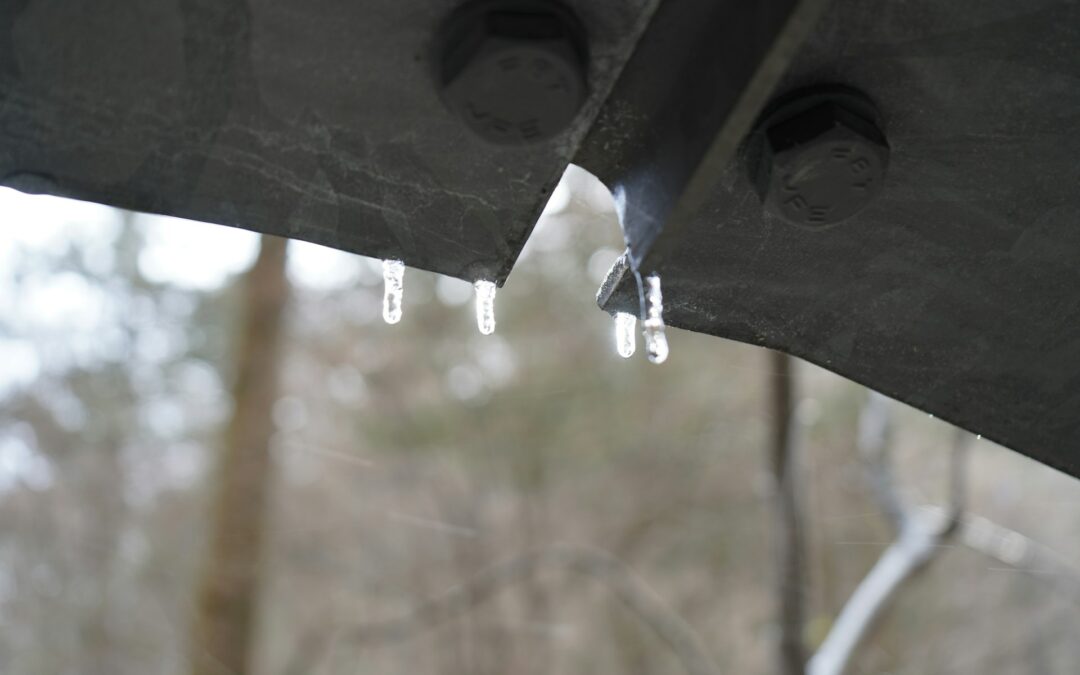
Freeze–thaw cycles are one of the biggest winter threats to Greater Cincinnati roofs. When temperatures rise above freezing during the day and fall again at night, any moisture that has seeped into small cracks or under shingles will repeatedly freeze and expand.
This expansion widens gaps, loosens shingles, worsens granule loss, and can even increase the risk of leaks. If your roof already has minor vulnerabilities, winter weather can turn them into much larger issues.
A professional winter inspection from Weather Stop Roofing can identify early signs of freeze–thaw damage before they turn into structural problems.
2. Ice Dams
Ice dams form when heat from your home escapes into the attic, warming the roof and melting snow. The melted water flows downward, refreezes at the colder edges of the roof, and forms a ridge of ice that traps water behind it.
This trapped water backs up under shingles and can lead to leaks inside your home.
Contributing factors include inadequate attic insulation, poor ventilation, clogged gutters, or aging roofing materials.
Weather Stop Roofing can evaluate your ventilation system, insulation levels, and roof condition to help prevent ice dams from forming.
3. Condensation & Attic Moisture
When warm indoor air meets a cold attic space, condensation forms. Over time, moisture can accumulate on rafters, insulation, and decking materials. This leads to mildew, mold, wood rot, and reduced insulation performance.
Many homeowners believe leaks are coming from the roof surface when, in reality, the moisture is forming inside the attic.
Proper attic ventilation is essential to reducing condensation. Weather Stop Roofing can ensure your ridge vents, soffit vents, or attic fans are working together to allow moisture to escape.
4. Brittle or Cracked Shingles
Shingles become less flexible in cold temperatures. Impact from wind, debris, or critters can cause brittle shingles to crack or break.
Old shingles are especially vulnerable to winter cracking, which increases the risk of leaks once snow begins melting.
If your roof is nearing the end of its lifespan, winter may accelerate the aging process. Weather Stop Roofing can evaluate whether your shingles can withstand another winter or whether replacement may be the safer long-term option.
5. Heavy Snow Load
While Greater Cincinnati doesn’t typically experience extreme snowfall every year, even a few moderate storms can put excessive weight on your roof. Packed snow and ice add stress to the structure, especially if your attic lacks proper support or if the roof deck is weakened by age or past moisture damage.
Uneven melt patterns (another major sign of issues) can also create isolated load areas, increasing the risk of sagging or structural strain.
If you’ve noticed any uneven areas or dips in your roofline, schedule an inspection with Weather Stop Roofing to assess the stability of your roof deck before heavy snow arrives.
6. Winter Wind Damage
Winter storms in Greater Cincinnati often bring strong winds capable of lifting shingles, tearing off ridge caps, or damaging flashing. Cold, brittle shingles are more prone to being torn away, which exposes the underlying roof layers to moisture.
High winds can also damage gutters, leading to improper drainage once snow starts melting.
Our team can replace loose or damaged shingles, repair or replace loose flashing, and ensure your roof is ready to handle winter gusts.
7. Flashing & Sealant Failures
Flashing protects vulnerable areas around chimneys, skylights, wall transitions, and vents. Sealants and metal flashings expand and contract during temperature swings, which can lead to cracking or warping over time.
Once flashing is compromised, water can easily find its way under the shingles and into your home’s interior.
A winter roof inspection from Weather Stop Roofing includes checking all flashing and seals to ensure they are watertight before the freeze–thaw cycle begins.
How Weather Stop Roofing Helps Protect Your Home All Winter Long
Winter is one of the toughest seasons for your roof. The best way to avoid damage is to stay proactive. Weather Stop Roofing offers:
-
Free, honest winter roof inspections
-
Full replacement services for aging or damaged roofing systems
-
Attic ventilation evaluations
-
Emergency storm tarp-ins and leak repairs
-
Ice dam prevention recommendations
If you want peace of mind heading into the cold months, now is the ideal time to schedule an inspection or maintenance visit.
Protect your home before winter weather takes a toll. Contact Weather Stop Roofing today to schedule your winter roof inspection or get expert guidance on preparing your roof for the season.
How Cold Weather Affects Your Roof: 7 Problems to Watch For
Check out our Reviews on Google!