
Free Roof Inspections in Cincinnati and Northern Kentucky
Honest, Builder-Driven Physical Assessments. Zero Satellite Guesswork. Zero Forced Upsells.
A roof problem is significantly easier and cheaper to fix before it turns into an active ceiling leak. At Weather Stop Roofing, we have been protecting local families across Greater Cincinnati and Northern Kentucky since 2007. We refuse to guess the health of your roof from a lazy satellite screen at an office desk, and we don’t believe in using high-pressure sales tactics just to hit a monthly quota.
We provide free, comprehensive roof inspections with zero strings attached. Whether a severe storm just rolled through your neighborhood, your shingles are getting older, or you are buying or selling a house, we physically step onto your roof and do a full perimeter walkaround to give you an honest and accurate picture of your roofs current condition and outlook.
Give us a call or schedule online. Get peace of mind by catching isolated problems early.
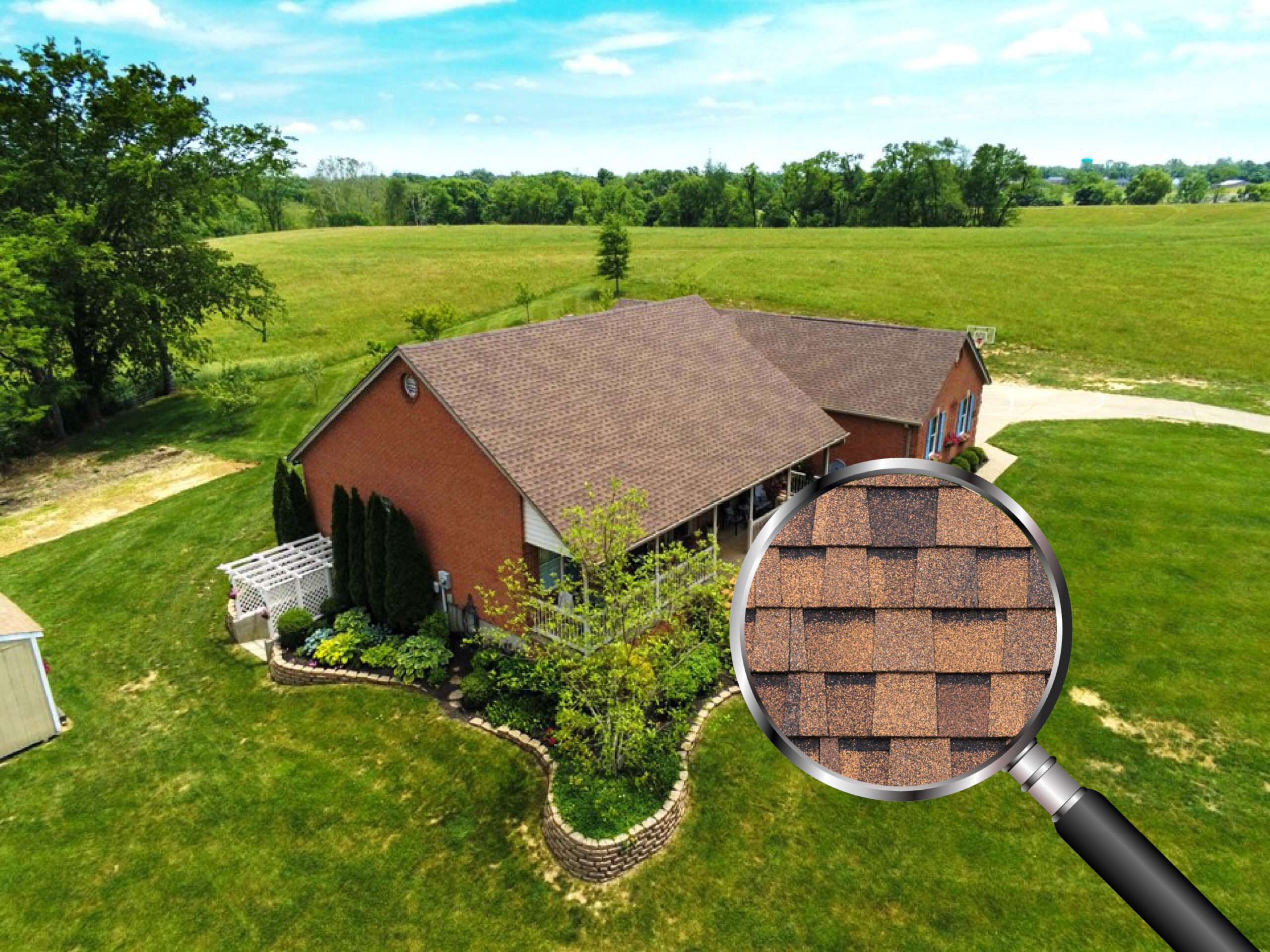
A Free Physical Roof Inspection You Can Count On
Preventing Escalation of Roof Damage & Unnecessary Costs
The biggest concern local homeowners face is discovering that a minor, unnoticed roof issue has quietly turned into an expensive, structural problem deep below the shingles. At Weather Stop Roofing, we believe that protecting your home relies entirely on a precise, early baseline. We don’t guess the condition of your home from a distance, and we don’t believe in waiting until a stain appears on your living room ceiling to take action through a bigger sale.
Whether you are evaluating your roof after a severe storm or simply tracking its natural age, our focus is entirely on identifying hidden vulnerabilities before they escalate. By performing a clear, hands-on assessment of your entire roofing system, we provide you with the objective facts you need to make an informed choice. If your structure is completely sound, we will tell you precisely that. If your system requires attention, our physical findings ensure you can seamlessly transition to our dedicated Roof Repair or Roof Replacement divisions with absolute clarity on where your home stands.
What’s Included In Your Free Roof Inspection?
A Complete Physical Assessment of Your Exterior So Nothing Is Missed
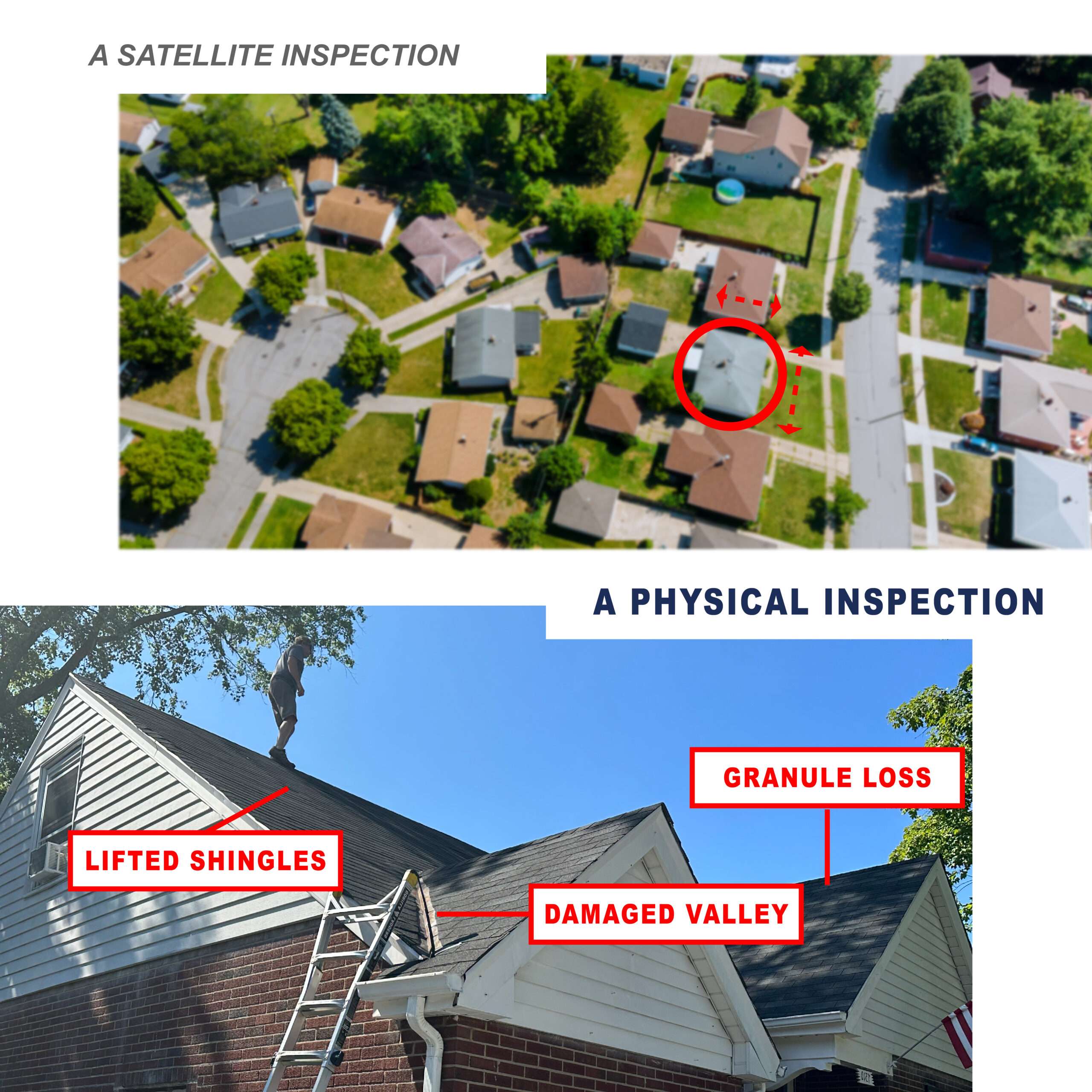
A comprehensive roof evaluation requires looking past the surface to analyze how your entire exterior system handles the elements. While many other contractors now inspect properties solely by referencing low-resolution satellite images or drone screens from the driveway, we know that a camera cannot check for structural shifting, soft spots, or moisture rot.
Our owner and the person who will conduct your roof inspection, Gary Hamm, spent decades in the new construction industry before founding Weather Stop Roofing in 2007. He knows what to look for, how to look for it, and how it affects not only your roof, but the entire integrated system that makes up your home. He will physically inspect every roof—that means climbing a ladder and walking the perimeter—to perform a rigorous analysis that leaves zero room for guesswork or missed damage.
Our free physical roof inspection protocol goes beyond the shingles to cover your home’s entire protective barrier. Once we complete our perimeter walkaround, we supply you with clear, physical findings and our professional advice so you know exactly how well your structure is performing—with zero sales quotas and zero obligation, just answers to your questions.
1. Complete System Assessment
We check all residential and commercial properties—including shingle, metal, EPDM rubber, and TPO systems—for advanced wear and tear, material degradation, and active storm damage.
2. Substrate Structural Evaluation
While we can’t physically see your roof decking during an inspection, we pay close attention to clues of what is happening beneath the surface, checking for signs of sagging, moisture saturation, or structural compromise.
3. Accessory & Ventilation Sizing Audit
We evaluate the sizing, quantity, and real-world functionality of your attic vents, box vents, ridge vents, valleys, flashings, and pipe boots to ensure proper building airflow.
4. Perimeter & Envelope Inspection
We expand our assessment to include your gutters and downspouts, exterior siding, chimney caps and flashings, and skylight seals to ensure no hidden water tracking paths are overlooked.

What a Weather Stop Roof Inspection Covers
Identifying the Hidden Warning Signs of Early Material and Structural Failure
A thorough roof inspection relies entirely on knowing exactly where water hides, how regional materials age, and how a custom builder evaluates structural framing from ground, the ladder, and on the roof’s surface. We look past general assumptions to locate the micro-level warning signs that point to active or escalating damage.
By analyzing your home’s exterior lines of defense, our physical inspection captures the precise condition of your entire system. Gary meticulously maps out the structural reality of your property by checking for the following field indicators:
Missing, Damaged, & Loose Shingles
This is the most obvious sign we look for during an inspection. Damaged, lifted, or missing shingles can be isolated or widespread, depending on the cause and the length of time the damage has been present.
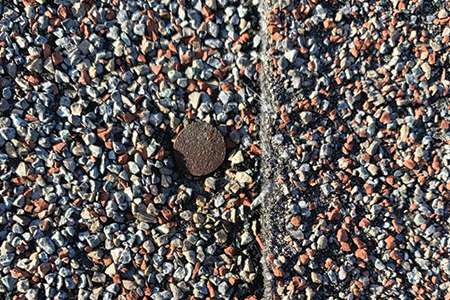
Granule Loss
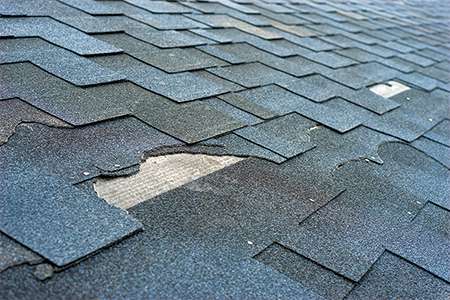
Granule loss, especially if excessive, is a sure-fire sign that the roof is ready to be replaced. All roofs will eventually succumb to natural wear and tear, most commonly indicated by granule loss on the shingles.
Inefficient Ventilation
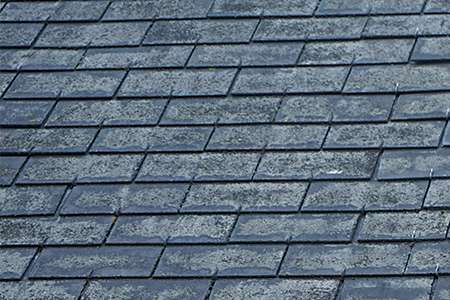
Inefficient roof ventilation can present itself in many ways. The truth is that more vents does not equal better ventilation. We look for a specific ratio of inflow and outflow to determine whether the roof is venting properly.
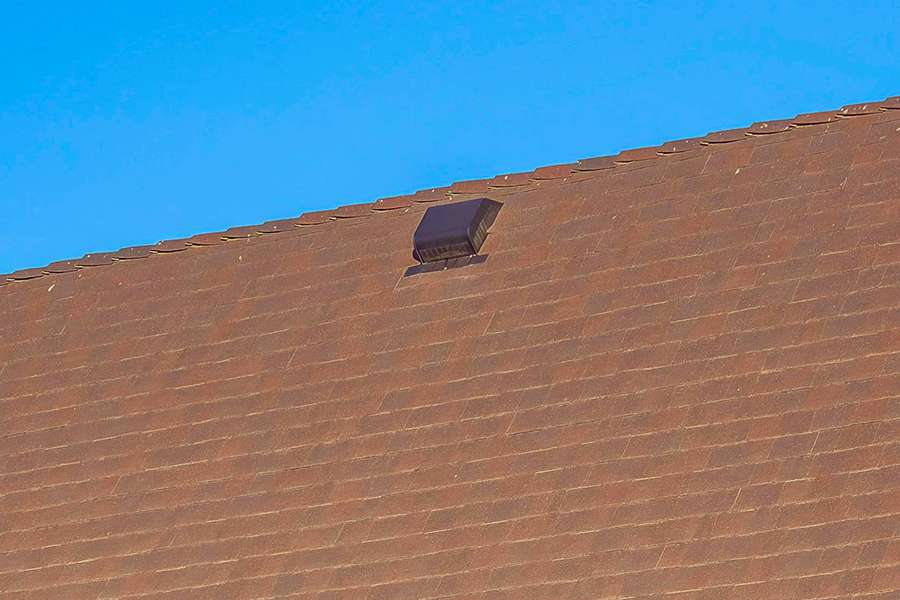
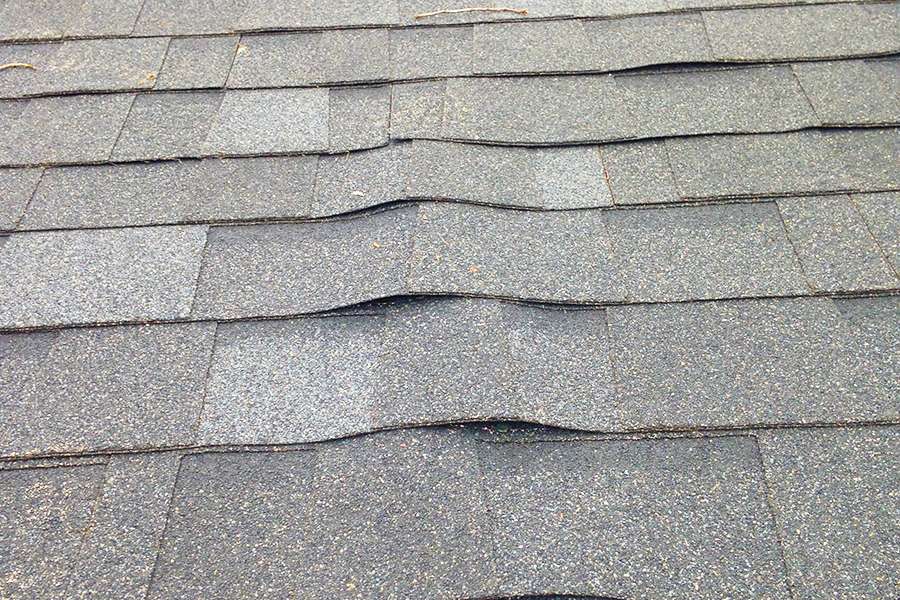
Improper Shingle Installation
This is one we truly hate to see. Improper alignment by an unqualified installer is the quickest way to ruin a roof and is oftentimes unfixable without a complete replacement unless issues are isolated.
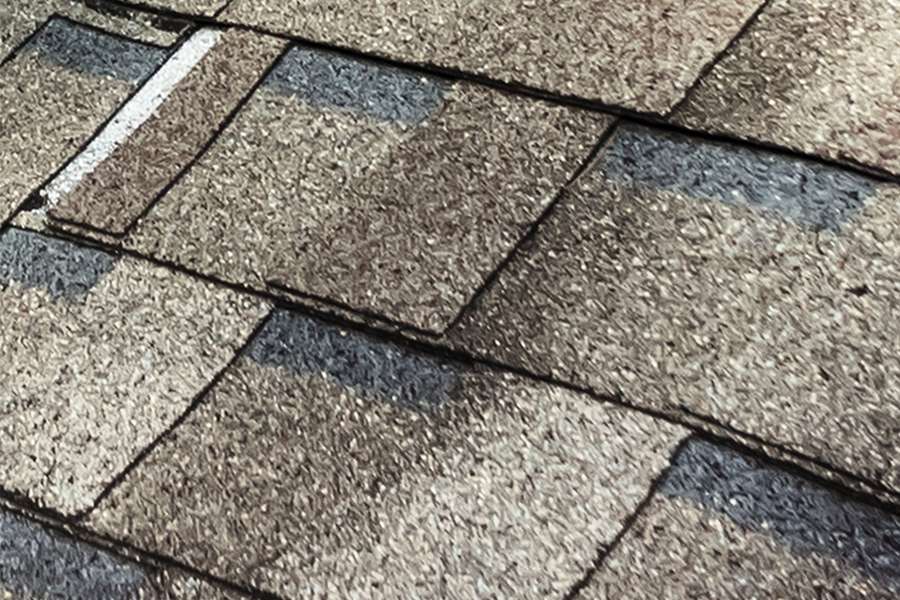
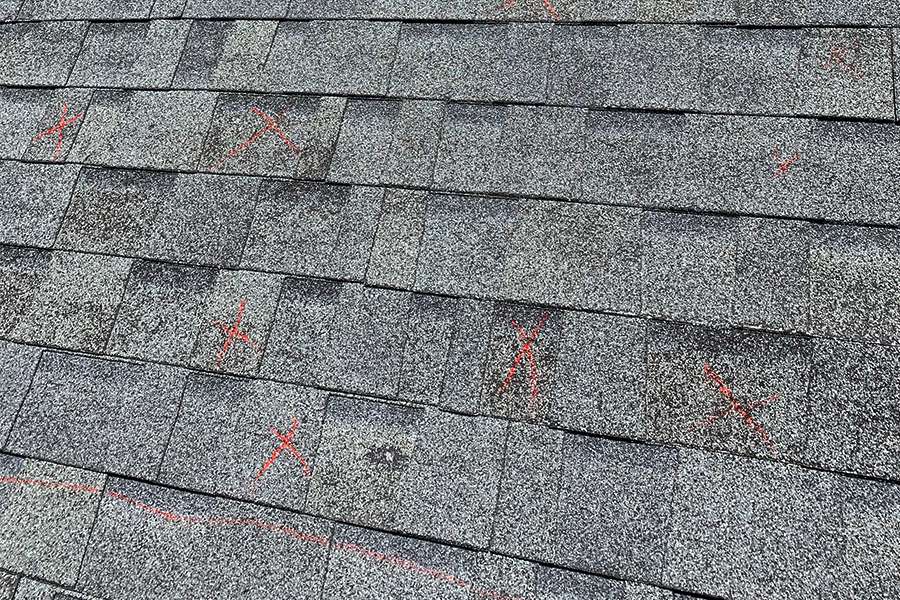
Hail Damage
After a storm, hail damage is one of the most common things we see. Minorly hail damaged shingles can be replaced if the roof is relatively new, but widespread damage can often be covered by a roof replacement insurance claim.
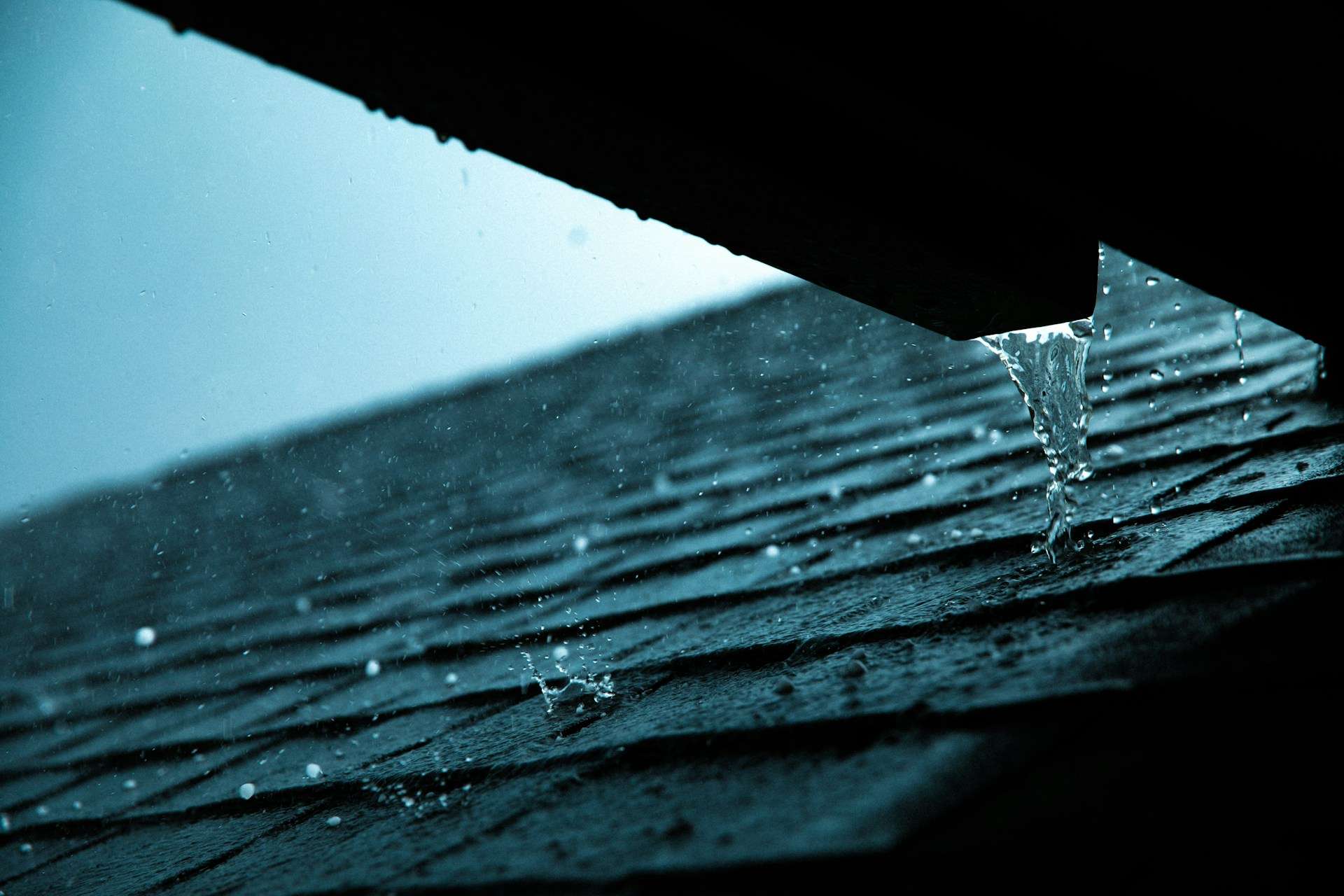
Gutter Overflow
Gutter overflow can be caused by a simple clog, misaligned downspout, or improper gutter slope. However, if we find that it’s due to an undersized gutter system with too small a water capacity threshold.
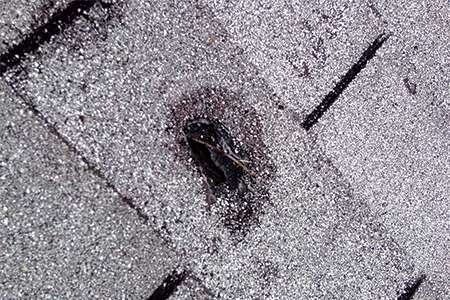
Nail Pops
These are common in older roofs with weakened shingles, but can also occur with wind uplift or improper installation. Isolated nail pops can often be sealed to protect the shingle, but large quantities may require a roof replacement.
Soft Spots
Soft spots are identified by gently pressing on the shingles. This is one of the worst things we can find, as it indicates that water has breached the shingles and made it into the decking, requiring a complete tear off and replacement.
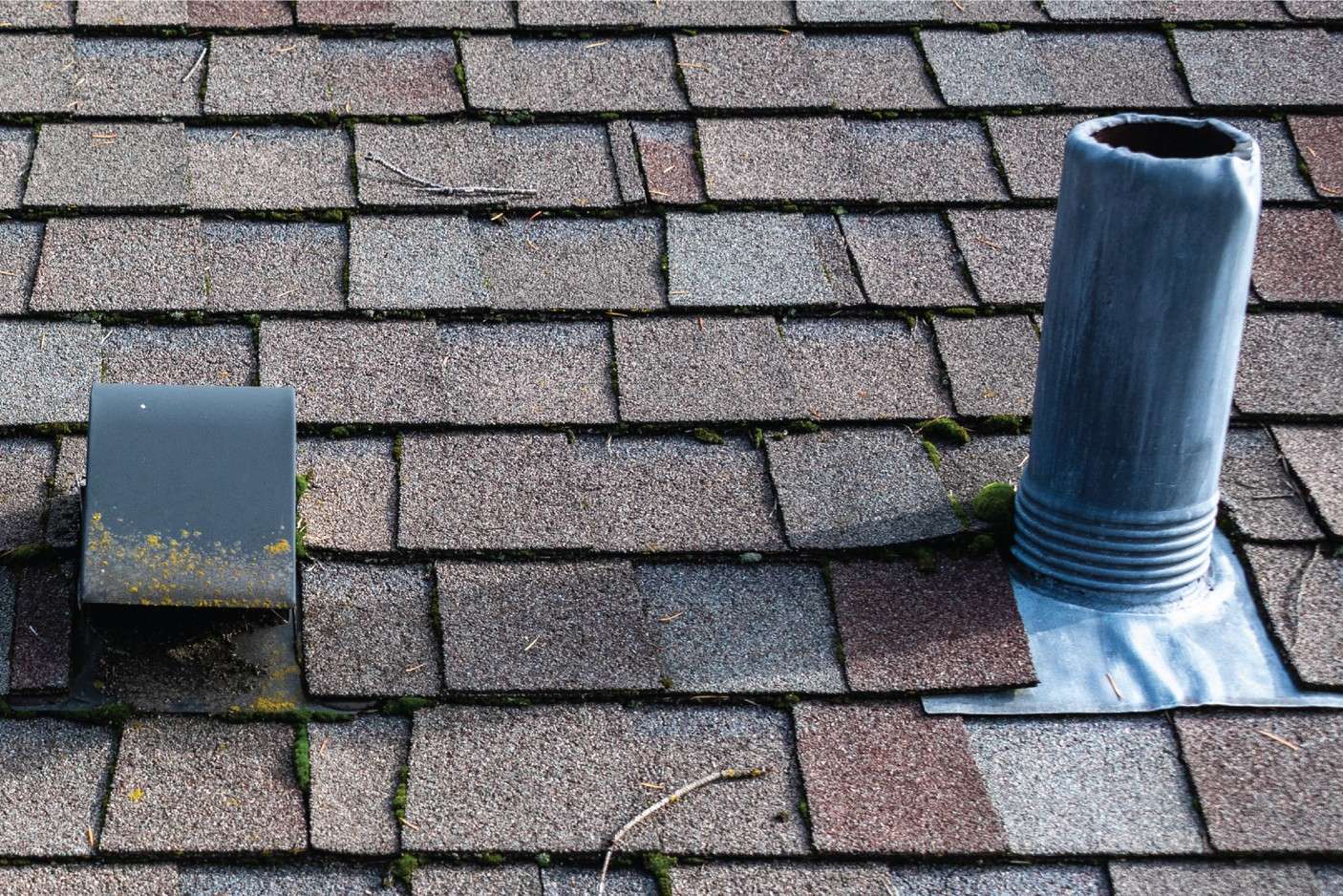
Damaged Flashing
Damaged flashing is one of the primary causes of isolated leaks. Oftentimes we can simply repair or replace flashing to stop a chronic leak. However, if all flashings are showing signs of wear, it may mean it’s time for a full replacement.
When You Should Get A Roof Inspection
The Physical Signs & Strategic Planning
Waiting until water actively penetrates your ceiling drywall turns a straightforward maintenance issue into an expensive structural nightmare. At Weather Stop Roofing, we advise homeowners and local property owners to routinely track both the physical warning signs on their roof and specific strategic milestones.
If your home or business matches any of the physical symptoms or life-event triggers below, it is time to secure a professional, hands-on roof evaluation.
*Important Note: For your safety, we strongly advise that you avoid climbing onto your roof, but to instead visually inspect your roof from the ground or inside your home.
Physical Structural Warning Signs
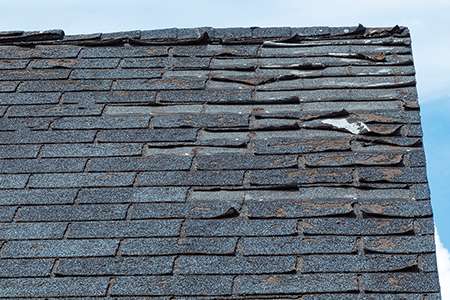
Material Fatigue
Missing, broken, curling, or flapping shingles, as well as distinct metal surface dents or flat-membrane rubber tears
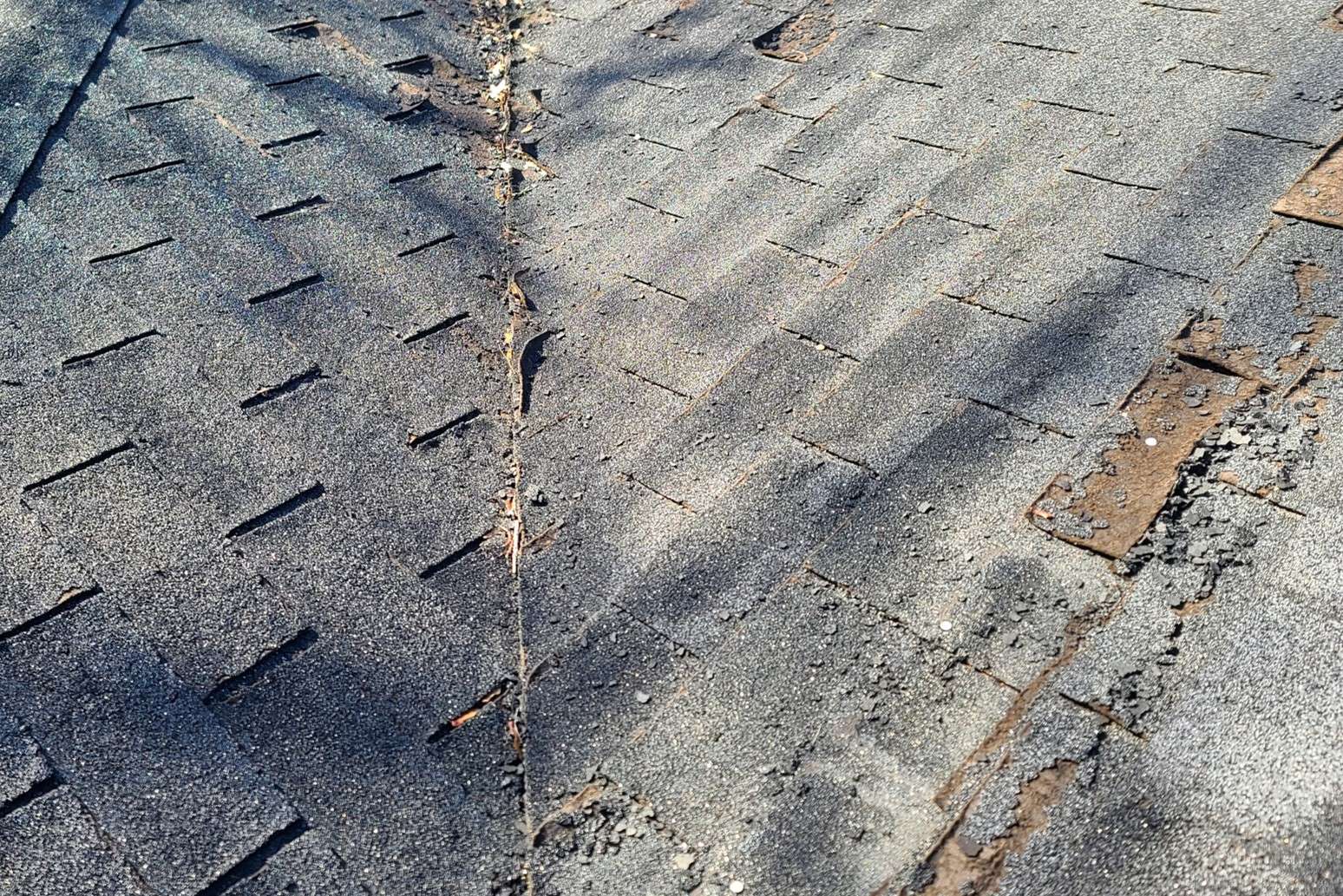
Granule Loss
Heavy bald or smooth spots across your shingles or large piles of granules accumulating inside your gutter troughs
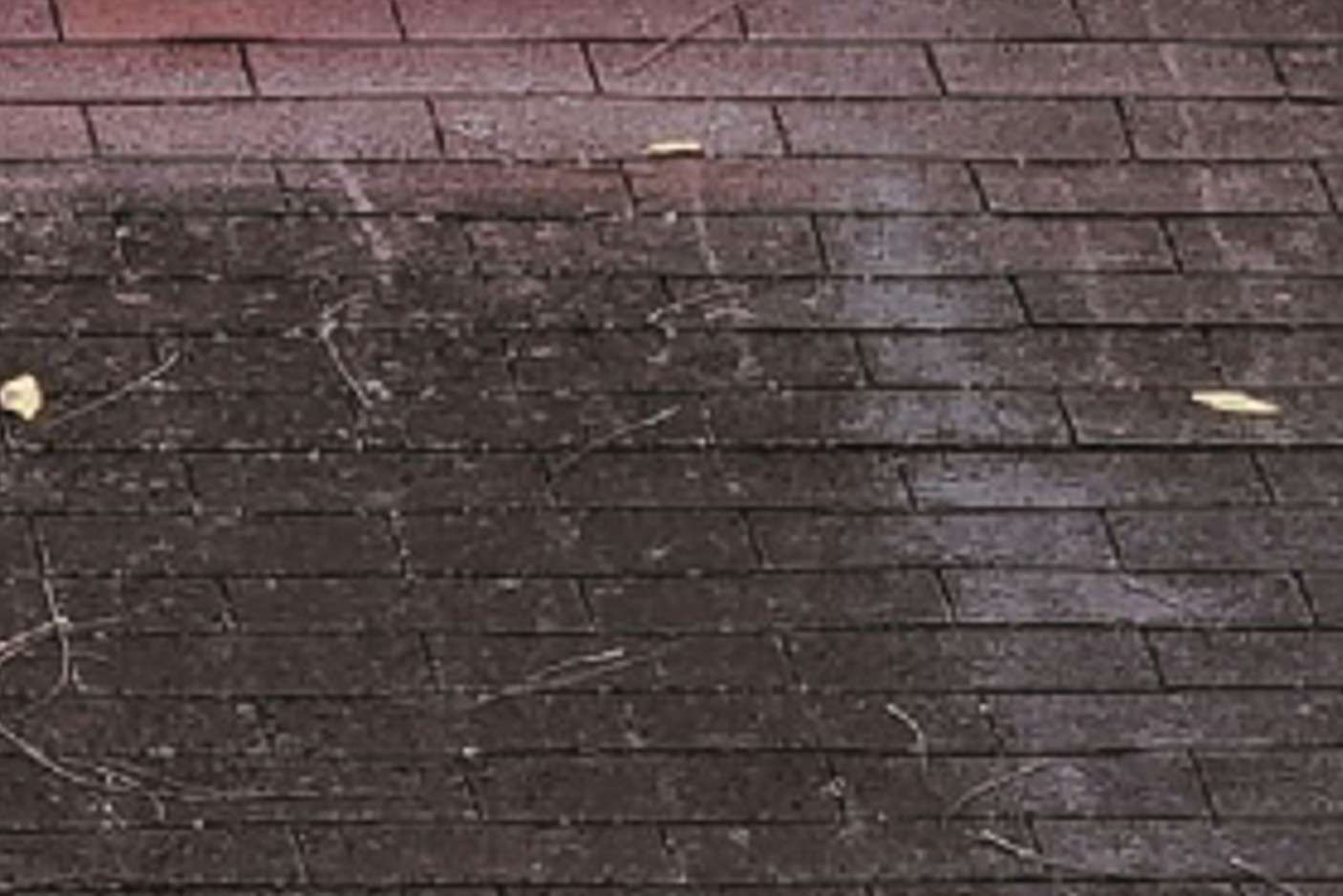
Surface Discoloration
Dark structural staining, advanced shingle fading, or rusted metal intersections and flashings
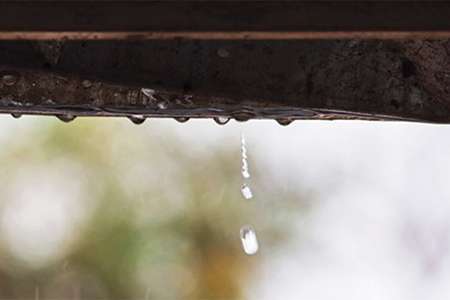
Drainage Failures
Water actively overflowing your gutters or failing to exit the downspouts during rain, or large icicles forming in winter
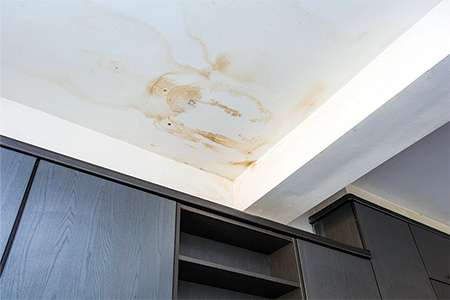
Active Moisture Paths
Internal ceiling stains, wall discoloration, or dry rot forming around your interior pipe penetrations
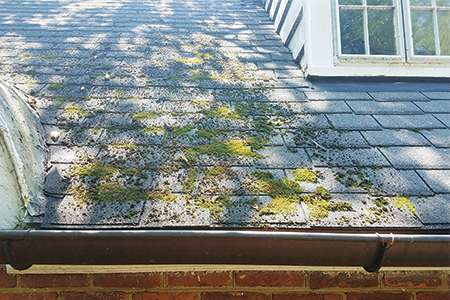
Biological Growth
Excessive moss, lichen, or algae growth that roots into the materials and traps moisture against the substrate
Strategic Milestones & External Triggers

Post-Storm Impact
Immediately following severe regional weather events, high winds, or confirmed local hail storms
The Old 15-Year Life Cycle
When your current asphalt shingle system crosses the 15-year mark and approaches natural material exhaustion
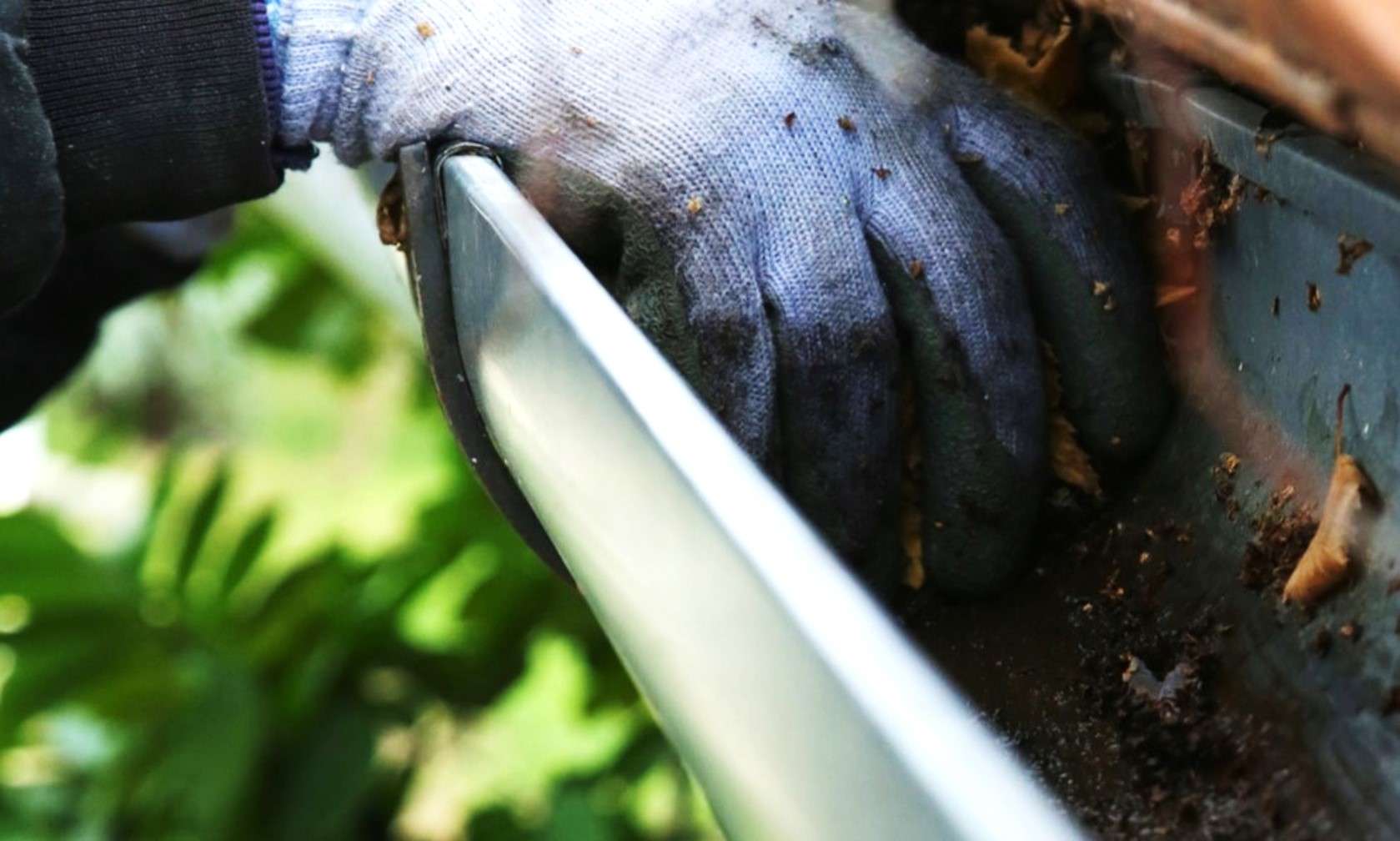
Proactive Asset Maintenance
Conducting an annual physical check to clear debris, audit flashings, and ensure total structural integrity
1 Year Mark
One year after installation of a new roof, because most installation-related issues appear within the first 4 seasons
After Other Improvements
Internal ceiling stains, wall discoloration, or dry rot forming around your interior pipe penetrations

Real Estate Transactions
Securing an objective, builder-driven assessment before finalizing the purchase or listing of a property
Storm and Hail Damage Inspections
Reliable Local Storm Documentation Over Out-of-State Scare Tactics.
Greater Cincinnati and Northern Kentucky get more than their fair share of severe weather. In fact, while the national average for annual rainfall is 38 inches, our region comes in well above at a whopping 44 inches of rain each year. While rain can be a challenge for an already compromised roof, the biggest dangers for seemingly healthy roofs are heavy winds and hail storms. That high-velocity impacts and fractures shingles—damage which is oftentimes not entirely visible from the safety of the ground, and may even be difficult to spot by an untrained eye on the roof.
Loosened or dented perimeter flashings, cracked or flapping shingle tabs, and deep hail bruises can slowly let water infiltrate your home for months before a visible stain ever breaks through your ceiling drywall.
At Weather Stop Roofing, we have been protecting local families through severe Ohio Valley weather seasons since 2007. Beware of out-of-state storm chasers who show up with high-pressure sales contracts the day after a storm. We provide honest, builder-driven storm and hail damage inspections to give you total clarity on the true condition of your property:
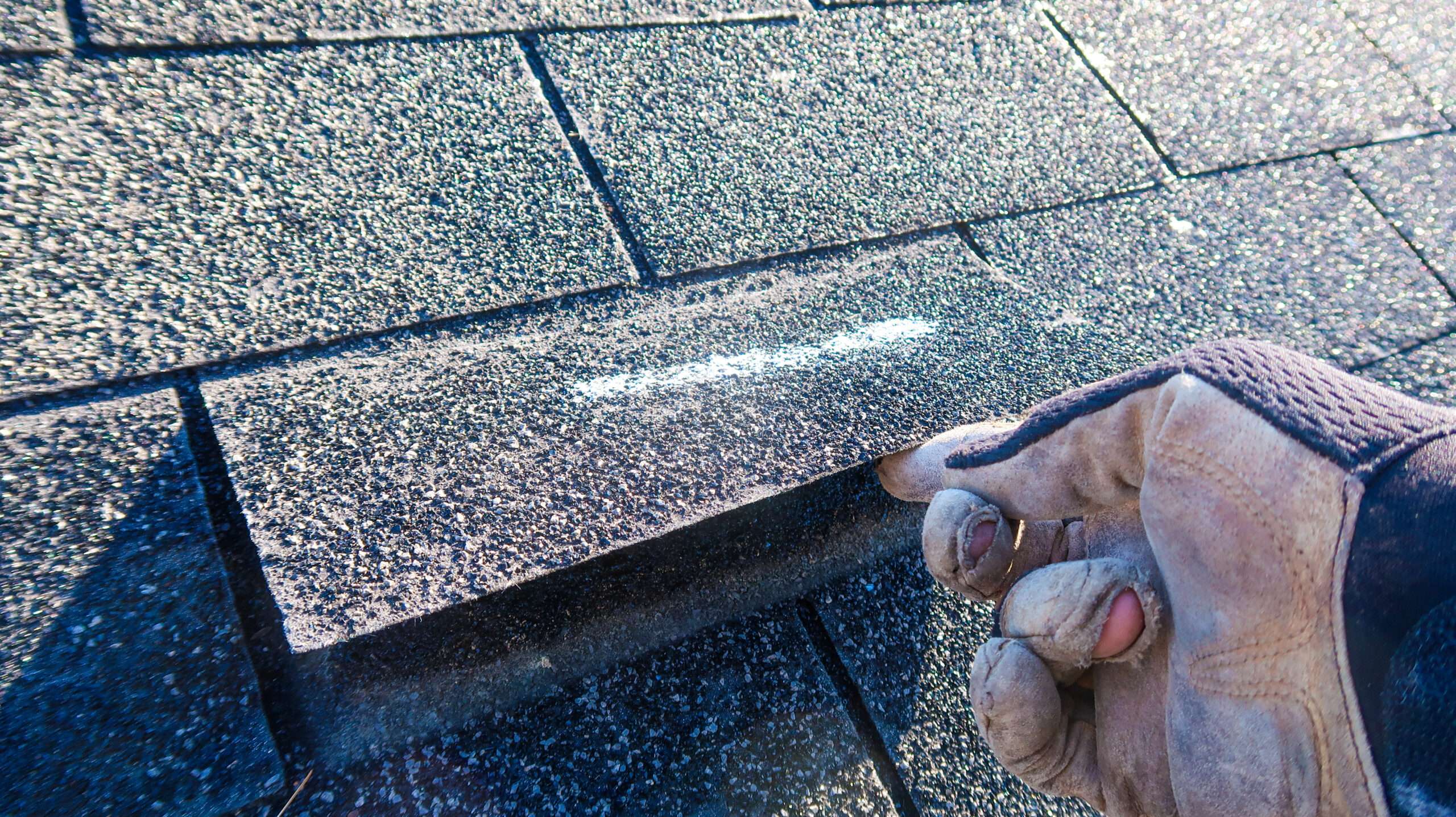
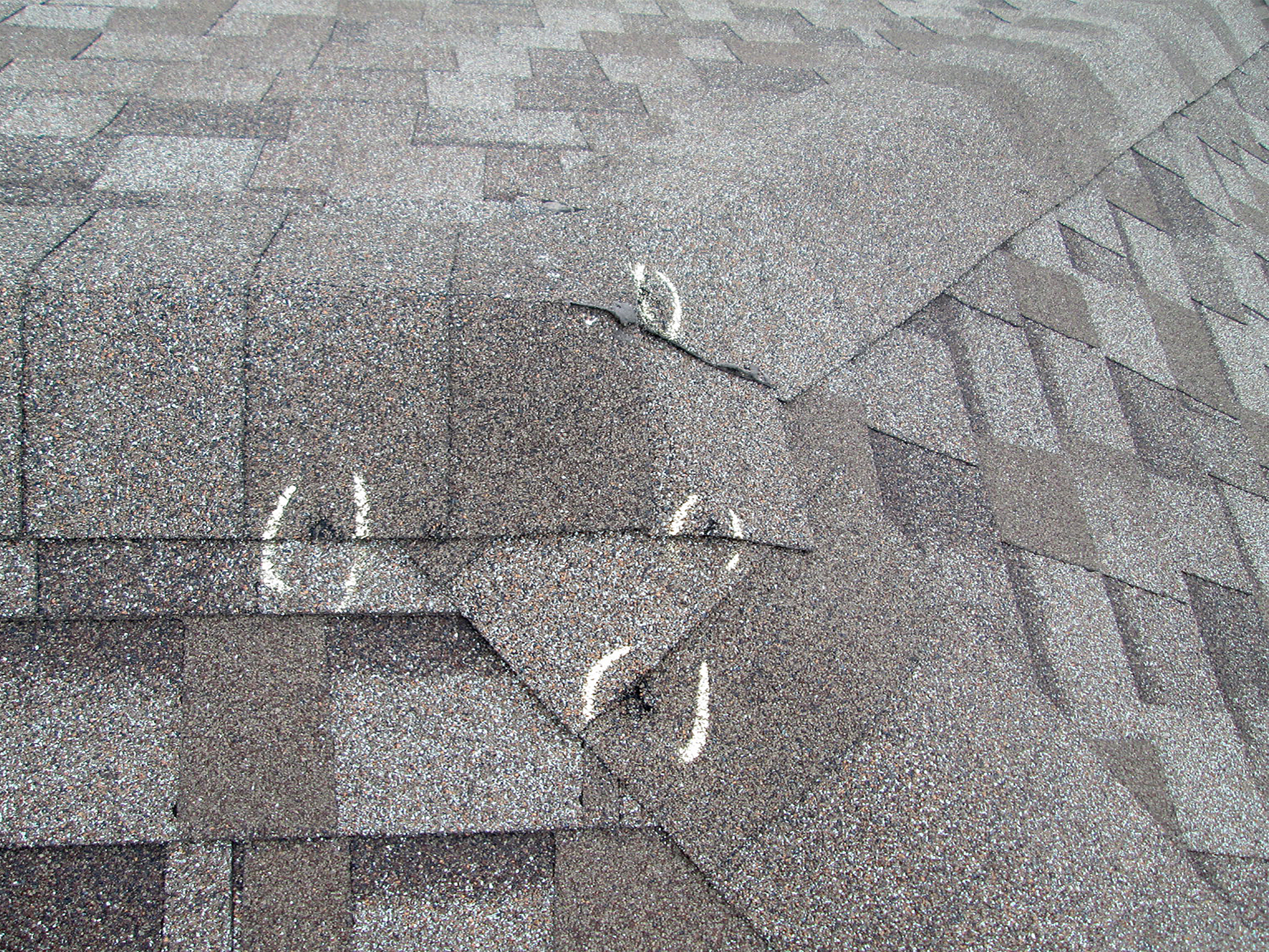
Objective Damage Mapping:
We physically step onto your roof to identify the clear line between minor, superficial wear and actual storm-related cell fractures or wind uplift damage. If your roof survived the storm completely intact, we will tell you precisely that.
Comprehensive Report & Photo Documentation:
Insurance adjusters do not approve claims based on vague guesses or satellite screenshots. We capture clear, up-close photographic evidence of every bruised shingle, creased tab, and compromised flashing line on your property, coupled with a straightforward written report when requested by your insurance company.
Straightforward Claims Guidance:
If your storm damage warrants an insurance claim, we help you cut through the confusion. We provide you with a transparent physical assessment so you know exactly what to expect when meeting with your insurance adjuster, ensuring your home’s structural integrity is fully protected. Different insurance companies require different types and levels of documentation. We will work directly with you to gather all requested information and documentation to help make the claims process run as smoothly as possible.
What Happens After Your Roof Inspection?
Transparent Findings and Zero Financial Risk.
We don’t believe in using a free inspection as a foot-in-the-door trick to pitch unnecessary projects. Once Gary completes his visual inspection and feet-on-the-ground walkaround, we deliver a completely transparent account of your home’s structural health and answer any and all questions you may have. The one thing we will not do is sit in your kitchen for hours, shoving a contract in your face with a “limited-time deal”. The decision about your roof should not be rushed, pressured, or price-driven like the sales gangster would want it to be. We provide the findings, the accurate estimate and proposal for—work if any is necessary—and let you take the reins on the decision for your home. Our next steps depend entirely on the physical evidence, mapped out across three common scenarios:
Scenario 1: Your Roof & Exterior Components Are Completely Sound:
We don’t invent problems to hit a sales quota. If your shingles, flashings, decking, and gutters are performing exactly as intended, we will give you a clean bill of health. You can move forward with total peace of mind, knowing your family is protected—with zero high-pressure sales pitches and zero cost. Our goal is to build a trusted partnership with you, not to get a quick check.
It’s a shame, but there are predatory companies out there who will take advantage of local homeowners who show concern about their roof. For example, we have inspected roofs that were 100% sound, healthy, and had several years of life left. Those same homeowners had heard from other companies that their roof was on its last leg and that if they didn’t move forward with a replacement immediately, they were going to be putting their home and family at severe risk. This was all because they showed some initial concern, and these predatory contractors were trying to capitalize on it.
If you have any doubts about the extent of damage reported in an inspection, always get a second, or even a third, opinion from another reputable local company before signing any contracts or approving any work.
Scenario 2: A Targeted Repair Cleans Up the Issue:
If we discover an isolated leak, a failed pipe boot, or minor storm damage, we don’t try to scare you into an expensive replacement. We explain precisely what needs attention, back it up with clear evidence, and supply a concise proposal with a competitive estimate. If it’s truly a simple repair, we may even just give you a call and complete it while we’re still there.
Every repair we perform is executed cleanly using premium materials that are installed to resolve the problem permanently, not serve as a temporary band-aid.
Beware of anyone jumping at the claim that you need a full replacement just because you asked the question, “Do I need to replace my roof?” Sometimes it’s absolutely true that you get an inspection for a minor issue or isolated damage and a roofer climbs up and says, “I’m sorry to tell you, but you’re looking at a full replacement or this is just going to keep happening.” However, if you have a fairly new roof with a new issue or isolated damage from a recent storm and a contractor starts pushing the replacement, make sure you get someone else on your roof to confirm before signing a contract.
Scenario 3: Widespread Material Exhaustion Requires Replacement:
If your roof has reached the end of its natural life cycle or exhibits widespread structural compromise, we lay out the facts. We show you the expert thought process behind our recommendations and your investment options. We supply a clear, itemized proposal of the project scope so you can make a smart, informed decision based on proven physical parameters, not a salesperson’s pitch. While we are preparing your materials and getting you on the schedule, we will perform any temporary patches or emergency tarp-ins necessary to prevent damage from worsening and driving up the cost of your estimate.
If you know your roof is ready to be replaced, whether due to its age, recurrent issues, or an inspection report, always take your time deciding on a contractor. Some predatory companies will have you think that you need to rush the replacement to prevent catastrophe, which is how they get you to hastily sign an overpriced contract. The reality is, it is exceedingly rare that a roof replacement needs to be completed immediately to prevent an emergency situation. Take a week or two, get a couple of estimates, and make an informed decision—your 15 year old roof isn’t going to collapse within the next 7-14 days.
The Importance of a Proactive Roof Inspection
Don’t Let A Small Repair Become A Big Job
A minor roof issue left unattended never fixes itself—it quietly worsens, spreads into your underlying insulation and roof decking, and drives up the final complexity and cost of a repair. Taking a proactive approach to your home’s exterior defense line is the single most effective way to prevent isolated water intrusion from jeopardizing your entire structure and causing a premature roof replacement.
The last thing we want to do is put off necessary repairs to force your hand. Scheduling a free physical assessment allows you to stay ahead of small repairs, natural aging, and severe Ohio Valley weather patterns.
Catching Minor System Failures Early:
- Identifying a single cracked pipe boot or an unsealed shingle facet today saves you thousands of dollars in structural wood replacement down the road.
Maximizing True Engineered Lifespan:
- Regular physical assessments provide the precise baseline required to keep your original materials performing exactly as the manufacturer intended.
Eliminating Emergency Stress:
- By addressing small vulnerabilities cleanly and efficiently on your own timeline, you eliminate the panic of unexpected midnight leaks during heavy Cincinnati rainstorms.
If you suspect your roof has sustained recent storm damage or is simply showing signs of natural age, do not wait for the damage to spread. Let us restore your roof’s health before it escalates beyond repair. Schedule a free inspection with us to catch problems early, extend the life of your roof, and give yourself peace of mind.

Why Homeowners Trust Weather Stop Roofing
It Matters Who You Let On Your Roof
Selecting a contractor to step onto your property shouldn’t feel like a high-pressure gamble. Since 2007, families across Greater Cincinnati and Northern Kentucky have trusted Weather Stop Roofing with their roof inspections for the following reasons:
Decades of Local Experience. A Background Beyond Roofing.
Owner, Gary Hamm, obtained over 30 years of experience in the Cincinnati new construction industry building custom homes from the ground up. It is our extensive knowledge of, not only the roof, but the entire structure it protects that gives us the integrative insight lacking in other companies whose expertise stops at the gutters.
No Sales Background. Honest Inspections & Estimates.
Gary is a self-proclaimed “terrible salesman”, which on multiple occasions has been confirmed by our clients just before signing with us. Overall, our local homeowners prefer clear, concise, and accurate reports and quotes—which is exactly what we deliver. We’re not here to sell you a roof you don’t need or to corner you in your kitchen upselling every bell and whistle imaginable to increase our profit margin. We provide you with our expert advice, a clear, written proposal, answer all of your questions, and then step back to let you make the final decision.
Physical Inspections. No Satellite Shortcuts.
We refuse to guess the condition of your home from an office chair. While satellite imaging is a useful tool for precise measurements, it is meant solely for calculating material costs, not identifying a roof’s condition. Gary physically climbs the ladder and walks your perimeter layout to track down vulnerabilities that satellite screens completely miss, allowing us to cater our advice and your quote to your roof’s specific needs, not just its size.
The Golden Rule. Our #1 Motto.
Gary’s personal motto is to treat others the way you wish to be treated. It only made sense to bring this philosophy into his business. When you read through our reviews, you will consistently see our clients referencing Gary’s friendly and easygoing nature. When you first speak to him on the phone, chances are he’s going to give you his personal cell phone number. We treat your home and family the way we’d want someone in the kitchen remodeling, landscaping, or HVAC industry to treat ours—friendly, efficient, honest.
Roof Inspection FAQs
How much does a roof inspection cost?
Our roof inspections are 100% free with zero strings attached. We don’t use a free evaluation as a high-pressure sales hook or a trick to corner you in your kitchen. You receive our expert builder advice with absolutely zero financial cost or obligation.
How long does a roof inspection take?
Most standard residential roof inspections take under an hour to complete, depending entirely on your home’s total square footage and slope complexity. We do not rush through the process. We take the time required to physically climb the ladder and meticulously check every single facet of your system.
Do I need to be home for the inspection?
This is completely up to you. If you would like to be present so Gary can point out his physical findings and answer your questions directly from the ground, we can plan your inspection around your schedule. However, we can and often do still perform inspections without our clients being present and follow up with a clear phone consultation. We will confirm whatever path works best for you when we book the appointment, and will always ask permission before climbing onto your roof if you will not be home.
Can you inspect for storm or hail damage?
Yes. The full extent of wind and hail damage is rarely visible from the ground and is oftentimes not obvious to the untrained eye. We step onto the surface to find subtle damage and lifted tabs, capturing up-close photo documentation and providing the precise written reports your specific insurance carrier requires to keep the claims process running smoothly.
How often should I have my roof inspected?
We recommend a professional physical assessment one year after installation, as most issues stemming from installation occur within the first four seasons of Cincinnati weather. Once your roof reaches 15 years of age, is showing visible wear, or is requiring frequent maintenance attention, it’s a good idea to get a full-scale inspection to be proactive. You should also secure an inspection immediately following a major storm event or following other home improvement projects. Staying proactive is the single best way to maximize your roof’s true lifespan.
Do you offer inspections for properties involved in a real estate sale?
Yes, but they differ in one important way. If a roof inspection is requested as part of a real estate transaction—whether by a seller listing their home, a buyer executing an inspection contingency, or a realtor satisfying closing requirements—we charge a flat fee for our physical inspection and official documentation. Because these assessments tend to be formalities and required simply to satisfy legal sale conditions, they do not qualify for our free inspection program. However, if we do end up replacing the roof as a result, 100% of the original inspection fee is deducted from your final invoice.

Being proactive about minor roof issues is the best way to prevent a small repair from becoming a big job. Whether you suspect a faulty flashing, or know your roof is nearing the end of its useful life, reach out to Weather Stop Roofing for your free inspection.